Win the war
By Leslie Barrie
From
Health magazine
To reduce your risk of cancer, look no further than your
fridge. "All the studies on cancer and nutrition point to eating
plant-based foods for their phytonutrients and other special compounds,"
says Richard Béliveau, PhD, chair in the prevention and treatment of
cancer at the University of Québec at Montreal and author of
Foods to Fight Cancer.
Aim for five to nine daily servings of all kinds of fruits and vegetables—especially these six superstars.
Broccoli
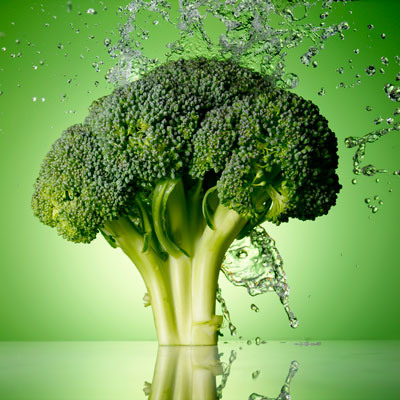
All cruciferous veggies (think cauliflower, cabbage, kale) contain
cancer-fighting properties, but broccoli is the only one with a sizable
amount of sulforaphane, a particularly potent compound that boosts the
body's protective enzymes and flushes out cancer-causing chemicals, says
Jed Fahey, ScD. A recent University of Michigan study on mice found
that sulforaphane also targets cancer stem cells—those that aid in tumor
growth.
Helps fight: breast, liver, lung, prostate, skin, stomach, and bladder cancers
Your Rx: The more broccoli, the better, research suggests—so add it wherever you can, from salads to omelets to the top of your pizza.
Berries
All
berries
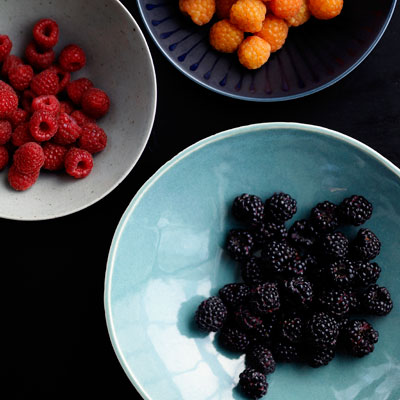
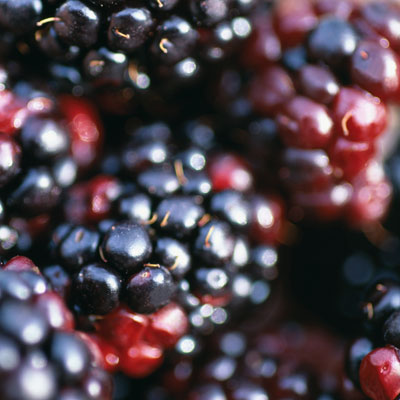
are packed with cancer-fighting phytonutrients. But black raspberries,
in particular, contain very high concentrations of phytochemicals called
anthocyanins, which slow down the growth of premalignant cells and keep
new blood vessels from forming (and potentially feeding a cancerous
tumor), according to Gary D. Stoner, PhD, a professor of internal
medicine at The Ohio State University College of Medicine.
Helps fight: colon, esophageal, oral, and skin cancers
Your Rx: Stoner uses a concentrated berry powder in his studies but says a half-cup serving of berries a day may help your health, too.
Tomatoes
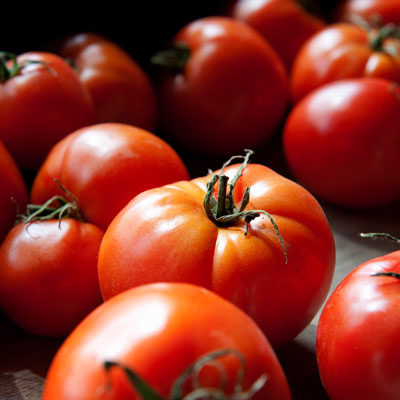
This juicy fruit is the best dietary source of lycopene, a carotenoid
that gives tomatoes their red hue, Béliveau says. And that's good news,
because lycopene was found to stop endometrial cancer cell growth in a
study in
Nutrition and Cancer. Endometrial cancer causes nearly 8,000 deaths a year.
Helps fight: endometrial, lung, prostate, and stomach cancers
Your Rx: The biggest benefits come from
cooked tomatoes (think pasta sauce!), since the heating process increases the amount of lycopene your body is able to absorb.
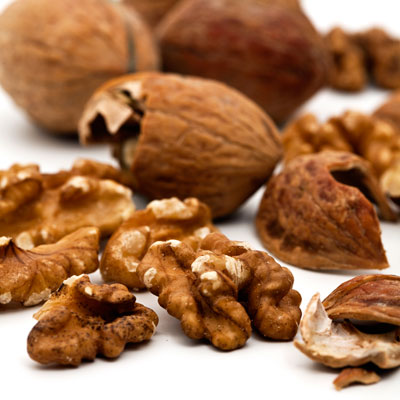
Walnuts
Walnuts
Their phytosterols (cholesterol-like molecules found in plants) have
been shown to block estrogen receptors in breast cancer cells, possibly
slowing the cells' growth, says Elaine Hardman, PhD, associate professor
at Marshall University School of Medicine in Huntington, West Virginia.
Helps fight: breast and prostate cancers
Your Rx: Munching on an ounce of walnuts a day may yield the best benefits, Hardman's research found.
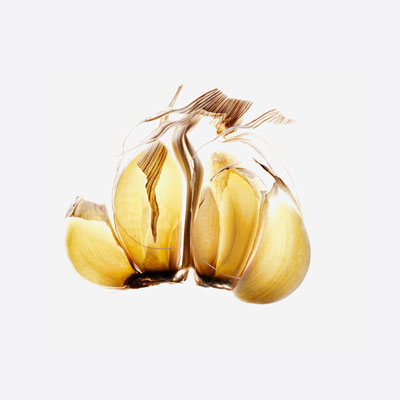
Garlic
Phytochemicals in
garlic
have been found to halt the formation of nitrosamines, carcinogens
formed in the stomach (and in the intestines, in certain conditions)
when you consume nitrates, a common food preservative, Béliveau says. In
fact, the Iowa Women's Health Study found that women
with the highest amounts of garlic in their diets had a 50 percent lower
risk
of certain colon cancers than women who ate the least.
Helps fight: breast, colon, esophageal, and stomach cancers
Your Rx: Chop a clove of fresh, crushed garlic (crushing
helps release beneficial enzymes), and sprinkle it into that
lycopene-rich tomato sauce while it simmers.
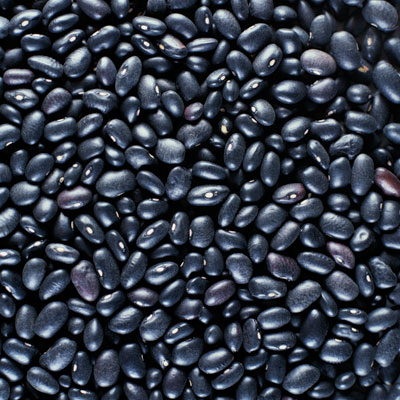
Beans
A study out of Michigan State University found that black and navy
beans
significantly reduced colon cancer incidence in rats, in part because a
diet rich in the legumes increased levels of the fatty acid butyrate,
which in high concentrations has protective effects against cancer
growth. Another study, in the journal
Crop Science, found dried beans particularly effective in preventing breast cancer in rats.
Helps fight: breast and colon cancers
Your Rx: Add a serving—a half-cup—of legumes a few times a
week (either from a can or dry beans that've been soaked and cooked) to
your usual rotation of greens or other veggies.
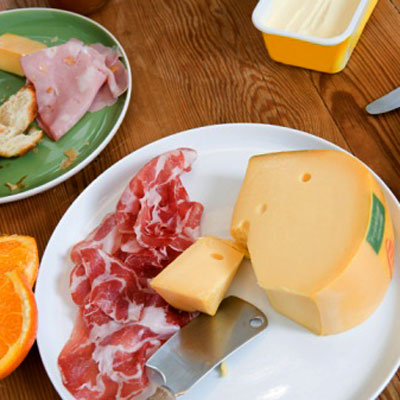
What not to eat: Animal fats
While researchers are still trying to determine which foods have the
most cancer- preventing benefits, we do know what not to eat if you want
to protect yourself, says Cheryl Forberg, RD, author of
Positively Ageless:
Animal fats: Meat, cheese, and butter can be rich in
saturated fat, which has been linked to obesity—a big cancer predictor.
Opt for leaner protein sources, such as fish, low-fat dairy, and those
good-for-you beans.
What not to eat: Processed meats
A ballpark hot dog or a few slices of bacon once in a while won't kill
you, but don't make them a staple of your diet. Some cured meats tend to
be high in nitrites and nitrates, preservatives that can, in large
amounts, potentially increase your risk of stomach and other cancers.
What not to drink: Excessive alcohol
Stop after one drink! Too much tippling is associated with an increased risk of cancers of the mouth, esophagus, and breast.
Source
Orion Therapeutics Debuts Breakthrough Antioxidant Cantavita




 garlic
 allicin
 antioxidants