HEALTHY FOODS — By Mini Padikkal — Green tea is the second most popular
drink consumed worldwide after water. It has many beneficial roles which
have made it very common among people. Green tea, the unfermented leaf
of the tea plant, Camellia sinensis, is richer in polyphenols than other
types of tea.
This is because it is produced by steaming fresh leaves
instead of fermenting them as done with black and oolong teas. Green tea
retains useful natural products called polyphenol catechins
(EGCG-epigallocatechin-3-gallate) the most active of which are believed
to be responsible for the health benefits of green tea.
People prefer to drink green tea because of its attractive flavour and
taste. Green tea is a popular natural remedy for many health problems
and has been used for thousands of years. The following are some of the
benefits of green tea and why you may want to consider pouring yourself a
few cups a day.
EGCG (epigallocatechin-3-gallate): One of the major benefits of green
tea has to do with a compound called EGCG. This is a powerful
antioxidant. Not only does it prevent cancer cells from growing, but it
also kills cancer cells without harming healthy tissue. This has been
scientifically tested, and in 1994 the National Cancer Society published
results finding that green tea reduced certain cancers in men and women
by 60 per cent. The ingredient EGCG is a potent antioxidant; about 200
times more powerful than vitamin E which neutralises pro-oxidants and
free radicals. EGCG can also block the cancer promoting effect of
carcinogens in the body. In addition to cancer, the powerful EGCG
compound also boosts your overall immunity. Other health benefits
include combating depression, headaches, and infection.
Obesity (overweight) is a well-known risk factor for insulin resistance
and Type 2 Diabetes. Patients can benefit from using green tea every day
to help boost metabolism. Weight loss benefit of green tea comes from
high concentration of poly phenols in green tea which helps to oxidise
fat and encourage thermogenesis. Thermogenesis in the body can be
defined as the rate at which the body burns calories. Studies have shown
that green tea can increase the feeling of fullness stimulating the
breakdown of fats. This can help facilitate weight loss by reducing the
appetite and food intake.
Patients with diabetes can benefit in many different ways by adding this
powerful anti-oxidant to their daily diet. Green tea is low in calories
and natural sugars so diabetic patients can enjoy this beverage and
reap the many health benefits of this drink without increasing their
glucose levels. Research studies have found that green tea can improve
glucose metabolism and benefit diabetics in the following ways:
• Improving glucose metabolism by increasing insulin sensitivity •
Lowering fasting blood glucose levels • Improving kidney function •
Improving liver function • Lowering triglyceride levels • Reducing
damage to insulin- producing cells
Green tea is the best anti-aging supplements available. The most
important of the active ingredients in green tea is EGCG
(epigallocatechin-3-gallate) and this EGCG is responsible for most of
the anti-aging health benefits.
The natural antioxidants in tea may have a strong effect on heart
disease, controlling blood pressure and lowering cholesterol. Green tea
also helps lower your bad cholesterol while boosting your good levels.
This can prevent heart disease, stroke, and other cardiovascular
diseases.
Green tea is the perfect choice to improve outer appearance as well as
the inner health of people. The anti-oxidants included in the tea not
only improve your health but can also improve the appearance of your
hair, skin and even improve your eye sight.
Green tea can help beat bad breath, according to scientific research.
The study found that antioxidants in the tea, called poly phenols,
destroy a number of compounds in the mouth that can lead to bad breath,
tooth decay and even mouth cancer. The most common way to reap its
benefits is to drink about 3 cups of green tea a day (provides 240-320
mg poly phenols). A cup is made with 1 teaspoon of tea leaves in 8
ounces boiling water. Add a little honey for a special treat. In cold
weather there is nothing more satisfying than hot tea and in warm
weather nothing greater than iced tea. You can really drink this all
year round with ease. Green tea is available in most of the shops in
Sultanate in different flavours. So sit back, relax yourself and enjoy
the benefit !
— The writer is a dietician at
Atlas star Medical Centre, Al Khuwair, Muscat.
Source
Ritz Quilted Mixer/Coffee Machine Cover, Dark Green
Law of Resonance
Dark Chocolate And Parmesan: A Scientific Pairing
Green Tea – The Magic Shrub: Benefits of Green Tea
Showing posts with label obesity. Show all posts
Showing posts with label obesity. Show all posts
Saturday, April 14, 2012
Wednesday, August 3, 2011
Obesity, Blood Pressure, Smoking May Shrink Your Brain
by Claire Shefchik
Tapping Pain Relief World Summit
7XMOM: Ta-da, the perfect chocolate chip cookie
Can Michigan win the battle against obesity?
7 Levels of Wealth Manifestation
Obesity, smoking and other risk factors can actually cause your brain to shrink in middle-age, leading to mental decline later in life, a UC-Davis study found.
The study's authors gave 1,352 middle-aged participants brain scans over the course of decade, while also measuring their body mass and waist circumferance and giving them diabetes, blood pressure and cholesterol tests.
Participants who were obese at middle age had faster declines in tests of executive function, and also showed a drop in brain volume. Diabetes and smoking led to shrinkage in the hippocampus area of the brain. Researchers also noticed growth in vascular brain damage in those with high blood pressure and diabetes.
Catherine Roe, an assistant professor of neurology at Washington University School of Medicine in St. Louis, said these results don't prove the risk factors caused brain shrinkage.
But, Roe said, "We know smoking and being overweight are bad for other parts of your health. This is just one more reason to get these things under control."
The study appeared Aug. 2 in Neurology. Dr. Charles DeCarli, the study's author, called the results "a no-brainer." He noted that the study focused on generally healthy participants, and didn't reflect the even larger health and obesity problems seen in certain areas and populations of the United States.
Tapping Pain Relief World Summit
7XMOM: Ta-da, the perfect chocolate chip cookie
Can Michigan win the battle against obesity?
7 Levels of Wealth Manifestation


Sunday, July 31, 2011
Obesity a culprit as strokes rise in pregnant women
Written by Adam Tamburin | The Tennessean
Pain Relief World Summit Event
UNC Obesity Epidemic Study: People eating bigger portions, more often
usb microphones
The stroke rate for pregnant women and women who have recently given birth has increased by 54 percent since the mid-1990s, according to a new report that local physicians are greeting with alarm, if not surprise.
The report, released Thursday by the American Heart Association and the American Stroke Association, examined millions of patient discharge records in a national database culled from 1,000 hospitals. It found 4,085 hospitalizations because of pregnancy-related strokes from 1994-1995 and 6,293 of the same cases from 2006-2007.
These results come as no surprise to several local physicians, who say they have noticed an increase in risk factors for strokes, including obesity and high blood pressure, among their pregnant patients.
“It’s shocking, but it’s not surprising,” said Janice E. Whitty, director of maternal fetal medicine for Meharry Medical College.
“We’ve had a tremendous increase in obesity in pregnancy, and this, I think, is really driving this dreaded complication.”
Whitty said obesity among pregnant women often leads to high blood pressure and other complications that can increase the risk of a stroke.
Extra weight can add to risks
Cornelia Graves, medical director of the perinatal program at Baptist Hospital, said most of her hospital’s pregnant patients were obese before conceiving, a fact that is in keeping with 
Graves said the added weight on most expectant mothers can exacerbate health risks pregnant women already face, as pregnancy often uncovers hereditary health issues that women have not yet encountered.
“Women come in with these histories of cardiovascular disease and diabetes and they come in 45 pounds heavier than their mothers were when they had children,” Graves said. “You already have genetic risk factors and then pregnancy unmasks these risk factors. And now you have this weight issue.”
Medications help
Whitty and Graves said this report’s findings are another indication of the nation’s struggle with obesity.
However, they said, they have not noticed a steep spike in pregnancy-related strokes.
Graves said this could be because of the aggressive treatment of high blood pressure in pregnant women in Middle Tennessee, and the TennCare program that offers health insurance to pregnant Tennesseans with low incomes.
About 60,000 women are enrolled in the program at a time, according to a TennCare spokeswoman.
Sometimes, Graves said, Baptist physicians put at-risk patients on several medications meant to combat high blood pressure.
“You’re not going to avoid every stroke, but those things can definitely help to turn the tide,” she said.
The key to avoiding strokes among at-risk women is the regular care of a physician, said Sanat Dixit, a neurosurgeon with Summit Medical Center and Cumberland Brain & Spine.
“Stroke in pregnancy could potentially be preventable if you can manage the risk factors properly,” he said. “Those risk factors can be mitigated with proper medical management.”
Whitty said obesity and added risk factors for stroke are especially prevalent among low-income patients, who might not have access to healthier food or might not view regular medical checkups as a necessity during pregnancy.
Preventive steps
Jessica Florida, vice president of physician recruitment for TriStar Health System, is due to give birth to her second child on Monday and is taking medication to fight her high blood pressure.
Although she doesn’t typically struggle with high blood pressure or obesity, Florida said, her blood pressure reached potential stroke levels in the days after the birth of her son in 2006.
“The blood pressure issue cropped up really quickly,” Florida said. “It was scary once I realized that my blood pressure was as high as it was.”
Florida credited her doctors and a more strenuous exercise regimen with defusing what could have been a deadly health hazard.
Whitty, Graves and Dixit all said that women should regularly monitor obesity, high blood pressure and other stroke risks — even if they aren’t pregnant.
“Many of those patients never see a physician until they get pregnant,” Graves said. “We need to close in that window and care for women … during those child-bearing years.”
Pain Relief World Summit Event
UNC Obesity Epidemic Study: People eating bigger portions, more often
usb microphones
Wednesday, July 27, 2011
Restaurant scheme to tackle obesity in children with smaller portions
CONOR POPE, Consumer Affairs Correspondent
Snacking Clue To Obesity Epidemic
Dwyane Wade Undergoes Lasik Eye Surgery
Yamaha Guitars
THE CHICKEN nuggets and chips combination so beloved of Irish children may become a thing of the past if a restaurant initiative aimed at tackling childhood obesity takes off.
Thousands of restaurants are to begin offering child-friendly portions of their adult menus alongside their children’s menus as part of a joint campaign announced yesterday by the Nutrition and Health Foundation and the Restaurants Association of Ireland.
The “Kids Size Me” scheme being rolled out by the group’s 6,000 members is looking to provide healthier options for children.
President of the association Brian Fallon said it would also give members who took part “huge marketing material” at a time when many were struggling to keep their doors open.
Participating restaurants will offer children access to healthier food options by making smaller portions of adult meals available as an alternative to the standard children’s menus. They will carry the new “Kids Size Me” symbol.
Over the coming weeks, consumers will be able to check which restaurants are participating on the wheretoeat.ie website.
Dietician and foundation manager Dr Muireann Cullen said Ireland had one of the highest rates of childhood obesity in the world and one in four Irish children was overweight or obese.
She said it was “essential to ensure children have access to healthier food options in the appropriate serving size and that this is actively promoted by restaurants”.
Research commissioned by the foundation found there was an overwhelming demand for child-size portions of adult meals, with 98 per cent of parents wanting the option of ordering smaller portions off adult menus for their children.
It found that while 80 per cent of restaurants allowed diners to do this, nearly two-thirds did not publicise the fact.
The survey found 78 per cent of children chose their meal themselves with 53 per cent ordering of the adult menu.
“It is clear that the demand is out there and it is now time for restaurants to act on that demand,” said Mr Fallon, one of the owners of Fallon Byrne on Dublin’s Exchequer Street.
“It is about a mindset and about changing attitudes.”
He said his restaurant would be changing its menus to reflect it was part of the new campaign.
He did not believe restaurants would replace their children’s menus entirely but would use the new portion options as “a bolt-on to what already exists, which will start a process of getting people to think about the healthier options”.
He stressed that while the campaign would not cost restaurants money, it would still offer parents better value for money.
The foundation survey found 55 per cent of parents thought a children’s meal costing between €5 and €7.50 was value for money, while a third thought the price ceiling could reach €10 and still represent good value.
52% of children eat out once a month
98% of parents want their children to have child-sized portions of adult meals
73% of children chose their own meals
56% would pay €7.51-€10 for a portion for a 10-12-year-old.
Based on an NHF survey of 500 parents.
Snacking Clue To Obesity Epidemic
Dwyane Wade Undergoes Lasik Eye Surgery
Yamaha Guitars
Monday, July 18, 2011
Can Michigan win the battle against obesity?
Written by Louise Knott Ahern
The numbers are staggering.They get quoted all the time, dire estimates about how much it costs Michigan to be the 10th fattest state in the nation.
They show up in expert testimony before the Legislature. They appear in press releases by advocacy groups trying to influence state law. Gov. Rick Snyder himself reportedly relied on one estimate — $9 billion — as the basis for listing obesity reduction as a priority in his administration.
But is it really $9 billion? Or is it more like $42 billion, as one study suggests? Or maybe only $52 million, cited by yet another?
The wide-ranging disparities raise more questions than they answer about what Michigan’s rising obesity epidemic means for the businesses, taxpayers and individuals of the Great Lakes state.
Where do the estimates come from? What do they include? And, most importantly, who ultimately pays the bill?
Chart: Healthcare costs and obesity
Data:Michigan county-by-county obesity rates
Tips: Do just one thing toward better health
“The costs of obesity are enormous,” said Dr. Lee Kaplan, chairman of the national Campaign to End Obesity, a consortium of roughly 50 businesses, nonprofits, government agencies and other groups. “You have medical costs, you have disease, you have death and quality of life, military preparedness, and of course, lastly, you have lost productivity in the economy. What part of modern society have we not touched on as being adversely affected by obesity? None. So who pays the bill? We all do.”
NZ's soaring diabetes rate puts us with world's worst
Saturday, July 2, 2011
UNC Obesity Epidemic Study: People eating bigger portions, more often
Post on July 1, 2011 by Adam Searing
How To Fight Trend in Preschool Obesity
UNC-Chapel Hill researchers have a pretty comprehensive study out today that looks at how – and not just what – people eat over the last thirty years. The results point to what they think is a major cause of people getting much, much heavier: people are eating significantly more in bigger portions at each meal and they are eating more often between meals.
This research goes way beyond the “supersize me” fast food debacle, because it looks at what people are eating in a wide variety of situations over a long period of time. I’ve read the full article and I think the authors are pretty persuasive that, at least based on this study, a primary problem causing our obesity epidemic is simply that people are eating way too much.
Just like anything in public health, it’s always hard to separate out the causes with obesity. With cities and towns set up for cars and not pedestrians or bicycles, with huge increases in soda consumption coupled with corresponding large drops in average price for sugary drinks, with the elimination of gym and recess as part of the school day in many areas, there are plenty of potential causes.
However, this UNC study on portion size is persuasive in its arguments mainly because it looked at so many people over such a long period of time for some pretty specific behavior. It’s worth a look.
SourceHow To Fight Trend in Preschool Obesity
Tuesday, June 21, 2011
Obesity on the rise in Canada, but Richmond has lowest rate in country
By Sean Sullivan, The Province
Suunto Core All Black
Magnetic Balls
Apple Ipod Touch 4th Generation
Are Reality Weight Loss Shows Helping Obesity In America?
An abundance of fresh air, recreation facilities and level terrain may be some of the reasons why Richmond has the lowest obesity rate in Canada, residents say.
According to a joint report issued Monday from the Canadian Institute for Health Information and the Public Health Agency of Canada, one in four adults are now obese.
In Richmond, however, just five per cent of adults — one in 20 — are obese.
While the report doesn’t say why the community beats even fitness-crazy Vancouver, which stands at 6.2 per cent, jogger Shable Cheng-Yuan Hszgh said it’s all about the fresh air.
“We like to exercise: walking, jogging, or any exercise,” he said near the entrance to the city’s West Dike Trail.
Gesturing to the tall grass and cattails swaying alongside the Fraser River, he added, “It feels very isolated here. It’s easy to get outside.”
According to estimates by researchers, the equivalent of 405,000 cases of male obesity, and 646,000 cases of obesity in women could potentially be “altered or averted” if inactive Canadians did at least 15 minutes of low-impact activity a day, such as walking.And in Richmond, where the land is remarkably flat, walking is easy.
“You always see a lot of people out here,” Maureen Wielens said. “It’s flat, which makes it easier to bike across the dike.
“I wouldn’t be getting on a bike if I had to go up a hill,” she laughed.
The low rate of obesity in Richmond and neighbouring Vancouver stand in stark contrast to other regions of Canada, where rates shoot as high as 32 per cent in Kings County, P.E.I., and nearly 36 per cent in the northern Mamawetan/Keewatin/Athabasca region of Saskatchewan.
Between 1981 and 2009, obesity — based on actual measures of height and weight, and not people self-reporting their weight — roughly doubled across all age groups, and tripled for youth aged 12 to 17.
When figures for obesity are combined with those for being overweight, 62 per cent of Canadians overall weigh more than they should.
In addition to an increase in exercise, researchers if people improved “poor quality” diets by eating more fruits and vegetables, potentially 265,000 fewer men, and 97,000 fewer women would be obese.The report was quickly attacked by obesity experts as simplistic and misleading, arguing it risks leading to more discrimination against the overweight.
“The notion that 15 minutes of extra activity and eating more fruits and vegetables will have any noticeable impact on this epidemic is both simplistic and misleading,” said Dr. Arya Sharma, professor of medicine and chair in obesity research and management at the University of Alberta in Edmonton.
Many underlying drivers contribute to obesity, he said — including mental-health issues and the fact people are sleeping less and working longer hours. Researchers are exploring whether obesity starts in the womb.
“All of this is completely ignored when you bring it down to diet and exercise,” Sharma said.
Suunto Core All Black
Magnetic Balls
Apple Ipod Touch 4th Generation
Are Reality Weight Loss Shows Helping Obesity In America?
Saturday, June 18, 2011
Is obesity a lifestyle or a disease?
By Kaitlin Prettyman, Deseret News
According to Medicare, obesity is a disease. But according to others, it's actually a lifestyle.
USB Microphone
Childhood Obesity
Yamaha Guitars
Food Recipes
According to Medicare, obesity is a disease. But according to others, it's actually a lifestyle.
April Herndon, an associate professor of English at Winona State University in Minnesota, is one person who is tackling the issue.
Psychology Today writer Alice Dreger, a professor of clinical medical humanities and bioethics at Northwestern University's Feinberg School of Medicine in Chicago, asked Herndon to address some obesity questions. In regards to whether it's a disease or a lifestyle choice, Herndon said, "The truth is that obesity is so complicated that most doctors and scientists will admit that the answer may change for each person or (gasp!) that we just don't know."
A disease is defined by Merriam-Webster as "a condition of the living animal or plant body or of one of its parts that impairs normal functioning and is typically manifested by distinguishing signs and symptoms."
So, is obesity a disease? The International Journal of Obesity doesn't think so. It says, "Obesity, defined as a body mass index (BMI, kg/m2) or percentage body fat in excess of some cut-off value, … lacks a universal concomitant group of symptoms or signs and the impairment of function which characterize disease according to traditional definitions."
Herndon seems to support this idea, too, when she says that obesity isn't really a disease but raises the risk of certain diseases or conditions. She gives the example that obesity may not be a health problem "in and of itself" when she says, "We know that women are more at risk for breast cancer, but we don't consider being female a disease. We know that having light-colored skin and light-colored eyes increases one's risk for skin cancer, but we don't consider lighter-skinned people diseased. Obesity is similar."
Focus Taiwan listed six obesity-related diseases that were ranked among the 10 leading causes of death. The six are cancer, heart disease, cerebrovascular disease, diabetes, hypertension and kidney disease.
Obesity rates increase with each year. The New York Times published an article in 2010 that said nearly 34 percent of adults are obese, which is more than double the percentage of 30 years ago.
Some people believe that the increase has come with changing times and things like television, video games and the Internet.
WebMD said, "Every hour children play video games or watch television may double their risk of obesity, a new study suggests."
USB Microphone
Childhood Obesity
Yamaha Guitars
Food Recipes
Monday, May 30, 2011
Are reality weight-loss shows helping obesity in America?
Diana Bierman
Suunto Core
Doctors Want To Oust Ronald McDonald
Medical experts divulge why or why not weight-loss shows help in the struggle against obesity
Most of the time you channel search, there is a good chance that a reality show pertaining to weight loss is on the air. Whether it’s MTV’s I Used to Be Fat or A&E’s Heavy, they are becoming more and more popular.
But are they really helping America understand the importance of good nutrition and actually losing weight?
The Canadian Press reports that America's obesity rate is currently the highest of any industrialized nation, and some agree that these shows aren’t necessarily making that statistic decrease.
Bariatric surgeon Ted Khalili was quoted as saying, “Obesity is an epidemic and these shows are trivializing it.”
That's not to say that these shows glamorize overweight people, but he believes they typically portray unrealistic diets for television purposes. Although he agrees there are some things obese people can learn, he believes most if it is too extreme.
Nevertheless, where there’s a will there’s a way. J.D. Roth, executive producer of Extreme Makeover: Weight Loss Edition and The Biggest Loser, thinks that these types of shows make people more aware of the mistakes they are making.
“The first step to changing some systemic problem in society is awareness and I think (weight) awareness is at an all-time high," he declared.
And then there are those who are in the middle. Terry Shaack, another medical expert, believes we will eventually see change – perhaps in eight to 10 years, just not right away.
His reasons for this thinking seem fair, as he noted the U.S. was informed to quit smoking for its terminal results in 1967, but change wasn’t seen until 15 or 20 years later.
“It takes that long,” he stated.
SourceSuunto Core
Doctors Want To Oust Ronald McDonald
Tuesday, May 24, 2011
Fat gene theory dispelled
May 24, 2011 - 12:29PM
Biggest Loser proves genes don't control weight, says Michelle Bridges.
Drum Kits
Electric Guitars
Obesity Fine
Biggest Loser proves genes don't control weight, says Michelle Bridges.
From Sunday Life
I am not a scientist. However, I can't help being fascinated by what is going on in the research world as it relates to obesity and weight management. One of the things scientists are focusing their attention on is the field of epigenetics, which explores how every gene a person has inherited ends up expressing itself in their physical and neurological characteristics. This subject is even more interesting now that science has unravelled the human genome sequence.
In the past, we've looked to our parents and grandparents for the determinants of the way we look, or for our propensity for disease or obesity. What epigenetic research tells us is that our genes themselves are not wholly responsible for our physical characteristics.
Drum Kits
Electric Guitars
Obesity Fine
Friday, May 20, 2011
Doctors Want to Oust Ronald McDonald
McDonald’s shareholders opt to keep iconic clown
Updated: Thursday, 19 May 2011, 11:21 PM CDT
Published : Thursday, 19 May 2011, 11:21 PM CDT
by Tom Lyden / FOX 9 News
For better or worse, Ronald McDonald has been a part of many childhoods. His name is attached to fast food and charity, but now a lot of doctors want him to be history.
As America struggles with a childhood obesity epidemic, many pediatricians said they believe the iconic clown is part of the problem. With 17 percent of all children considered obese, the doctors argue that Ronald McDonald gets them hooked early on fast food.
In a Thursday night meeting in Chicago, McDonald’s shareholders rejected that idea, and the CEO announced that the clown will stick around.
Though he is the face of the brand, customers would have to look long and hard to find the clown at a McDonald’s location -- and even the kids say he’s been missing in action. Health professionals say the reason his face is hidden is because of the shame that follows encouraging kids to load up on junk food.
A Happy Meal with fries and McNuggets tallies in at 420 calories and includes 23 grams of fat and 560 mg of sodium. That’s why health advocates -- including 43 from Minnesota -- said they are asking the company to fire it’s figurehead after 48 years.
Yet, there is one place where Ronald is still a revered star: The Ronald McDonald House, which helps 4,000 sick children and their families annually.
A percentage of each Happy Meal ends up at the charity, which relies on local franchises for a quarter of its budget.
Studies have suggested the real culprit behind childhood obesity isn’t just fast food -- it’s poverty. Where else can a child be fed for under $3?
McDonald’s CEO Jim Skinner said the decision to keep the clown stems from the personal and individual right to choose.
McDonald’s has been on a business roll lately, with shares up 12 percent. On Thursday, they closed at a record high.
Read more: Doctors Want to Oust Ronald McDonald http://www.myfoxtwincities.com/dpp/money/doctors-want-to-oust-ronald-mcdonald-may-19-2011#ixzz1MrxMbOkz
yamaha guitars
magnetic balls
Friday, May 6, 2011
'Night owls' eat more and eat worse, study finds
CTV.ca News Staff
Date: Thursday May. 5, 2011 12:25 PM ET
Regularly staying up late at night and sleeping in the next day could put you at risk for gaining weight.
A new study finds that "late sleepers" tend to eat more, weigh more, and eat more low-quality food – even if they get roughly the same amount of sleep as people who hit the hay at a more normal time.
For the small study, which appears in the journal Obesity, scientists from Northwestern University looked at 51 adults: 23 late sleepers and 28 normal sleepers.
The participants recorded their eating and sleep habits in logs for at least seven days. They also wore a wrist actigraph, which monitors sleep and activity cycles.
Late sleepers went to sleep at an average time of 3:45 a.m. and woke up by 10:45 a.m. They ate breakfast at noon, lunch at 2:30 p.m., and dinner at 8:15 p.m. They also ate a "final meal" at 10 p.m.
Normal sleepers on average were up by 8 a.m., ate breakfast by 9 a.m., lunch at 1 p.m., dinner at 7 p.m., a late snack at 8:30 p.m. and were asleep by 12:30 a.m.
Both groups got roughly the same amount of sleep: 7 hours in the late sleep group, and 7.5 in the regular sleepers.
The researchers found that late sleepers took in 248 more calories a day, twice as much fast food and half as many fruits and vegetables as those with earlier sleep times. They also drank more full-calorie soft drinks.
Co-lead author Kelly Glazer Baron, a health psychologist and a neurology instructor at Northwestern University Feinberg School of Medicine, suggested those extra 248 calories can add up over time.
"The extra daily calories can mean a significant amount of weight gain – two pounds per month – if they are not balanced by more physical activity," she said in a news release.
Indeed, the late sleepers had an average higher body mass index, or BMI, than normal sleepers.
The study authors say that the calories that were taken in after dinner were the most problematic.
"Calories consumed after 8:00 p.m. predicted BMI after controlling for sleep timing and duration," they write.
Senior author Dr. Phyllis Zee, a professor of neurology and director of the Sleep and Circadian Rhythms Research Program at Feinberg and medical director of the Sleep Disorders Center at Feinberg and Northwestern Memorial Hospital says eating when the body expects to be sleeping may disturb our circadian rhythms.
"Human circadian rhythms in sleep and metabolism are synchronized to the daily rotation of the earth, so that when the sun goes down you are supposed to be sleeping, not eating," Zee said.
"When sleep and eating are not aligned with the body's internal clock, it can lead to changes in appetite and metabolism, which could lead to weight gain."
The research findings could be relevant to people who have trouble losing weight, suggesting that going to bed early could prevent overeating at night.
The findings also have relevance for night-shift workers, who eat at the "wrong" time of day related to their bodies' circadian rhythms.
"It's midnight, but they're eating lunch," Zee said. "Their risk for obesity as well as cardiovascular, cerebrovascular and gastrointestinal disorders is higher."
Northwestern researchers are now planning more studies to test the findings in a larger group. They also want to try to understand the biological mechanisms that link the relationship between circadian rhythms, sleep timing and metabolism.
The research was supported by the National Heart, Lung and Blood Institute of the National Institutes of Health.
Canon Digital SLR Cameras
Yamaha Guitars
Weight Loss Improves Memory
Saturday, April 16, 2011
Weight Loss Improves Memory, Research Reveals
By BEN FORER
April 15, 2011
Subjects Who Underwent Gastric Bypass Surgery Saw Significant Memory Improvement
Losing weight may be more than just good for your heart. New research indicates it also can improve your memory.
Source
Easy Ways To Lose Weight
Bobkona Sectional
April 15, 2011
Subjects Who Underwent Gastric Bypass Surgery Saw Significant Memory Improvement
Losing weight may be more than just good for your heart. New research indicates it also can improve your memory.
According to a study led by John Gunstad, assistant professor of psychology at Kent State University, weight loss may improve concentration and overall cognitive ability.
"We've known for a long time that obesity is a risk factor for things like Alzheimer's disease and stroke, and more recent work really shows that obesity is a link to memory problems and concentration problems before that even begins," said Gunstad. "If excess weight causes these problems, can losing weight help reverse them? That's what we wanted to research."
Gunstad tested the memory and attention of 150 overweight people. Then, some of the participants underwent gastric bypass surgery while others did not.
"What we found is that by individuals who went through the weight loss surgery showed improvements in memory about 12 weeks after surgery," said Gunstad. "They were able to show improvements moving from the kind of mildly impaired range into the normal range, which clinically is a pretty good, is a pretty meaningful change."
Prior to surgery, 23.9 percent of all the participants showed impaired learning and 22.9 percent had poor recognition memory.
Twelve weeks after surgery, the average performance for those that went under the knife was within average range or above average on all cognitive tests, improvements that were not seen in the group of people that decided to not have gastric bypass surgery.
3 Unanswered Questions
There still are three major questions that need to be answered, Gunstad said:
1. What from obesity is causing the brain damage?
2. What causes the brain to improve after surgery?
3. Can behavioral weight loss produce the same changes in the brain as surgery?
"If we're able to identify what causes these memory problems in the first place and then changes after surgery to make the memory better, that's the key," said Gunstad. "Once we can find that, that might be an answer to what better understands how obesity's linked to Alzheimer's disease, stroke or even just memory decline that happens in older adults."
Weight-Loss Benefits Without Surgery?
Gunstad is cautiously optimistic that if somebody were to lose 20 or 25 pounds, they might see some of the same benefits without the surgery.
"I think one of the important take-home messages for this study," he said, "is really just, kind of, a reminder for individuals that if you take care of your body, you're also taking care of your brain."
Source
Easy Ways To Lose Weight
Bobkona Sectional
Wednesday, December 22, 2010
New stomach shrinking procedure helps patients lose weight
A new experimental stomach shrinking procedure is helping obese patients lose weight, without bands, staples, or implants.
Reporter: Maureen McFaddenA new experimental stomach shrinking procedure is helping obese patients lose weight, without bands, staples or implants.
Every year, Americans spend $30 billion a year on diets, weight loss products and other weight loss services. Now, more than 200,000 people a year are going even further than pills or diets, and turning to surgery.
Teresa Flowers, a 54-year-old lifelong dieter, has tried numerous diets which all have failed. With a job that keeps her sitting eight hours a day, Flowers was ready to try something big.
"It's very frustrating to be obese and feel like your back is up against a wall and there's basically no hope,” says Flowers.
She became one of the first patients in the U.S. to undergo a new experimental weight loss surgery called gastric imbrication.
Gastric imbrication is a procedure that shrinks the volume of the stomach by 90-percent by folding and stitching it into a small, narrow tube.
Sunil Sharma, a doctor at the University of Florida’s Weight Loss Surgery Institute, says, “That translates into easy filling of the stomach, but eating less quantity of food."
"The fact that my stomach is only ten-percent the size that it was, it makes me make a conscious effort to not eat, and to eat wisely,” says Flowers.
The minimally invasive procedure is performed through several small incisions in the abdomen, or one cut through the belly button.
A pilot study in India on 30 patients showed participants losing 40-percent of their excess weight within the first year after surgery, all along with quicker recovery and fewer complications.
Two weeks after having the surgery, Teresa Flowers already had lost 23 pounds.
“I started at 313. I'd love to be down to about a hundred fifty pounds,” says Flowers.
Although at least two U.S. studies are now underway, gastric imbrication is still considered experimental and is not covered by insurance.
However, Sharma says that because it is less invasive than other bariatric procedures as well as not requiring the removal of any stomach tissue, the cost is much lower.
Gastric imbrication costing $12,500, compared to as much as $16,000 for lap band surgery and $19,000 for gastric bypass.
The process can be adjusted or even reversed as a result of the non-dissolvable sutures used in the procedure.
RESEARCH SUMMARY
TOPIC: SHRINKING STOMACHS...A NEW WAY
REPORT: MB #3228
BACKGROUND: There are a number of stomach-shrinking procedures that offer surgical solutions to bariatric complications. The most common is the Roux-en-Y Gastric Bypass procedure, wherein the patient's stomach size can be decreased by surgically segmenting it into two parts, using surgical stables or a plastic band. The top part is formed into a small, golf ball sized pouch, which is then connected to a section of the small intestine, bypassing about five feet of intestine before reconnecting. The small pouch allows the patient to feel full after consuming only one to two ounces of food, and the bypassed intestine prevents the patient from absorbing additional calories. The next procedure is called Gastric-Band Surgery, where an inflated, silicone band is wrapped and tightened around the upper area of the stomach to create a pouch which only allows about an ounce of food to enter. Saline is used to inflate the band, and is fed into a plastic tube, which is attached to the band. During Gastric Sleeve Surgery, anywhere from 60-75% of the stomach is actually removed, leaving a sleeve-shaped formation which can receive and break down food. Also known as a gastrectomy, or "Sleeve gastrectomy," this procedure naturally limits caloric intake. (SOURCE: University of Florida Weight Loss Institute and webmd.com)
GASTRIC IMBRICATION: Also called Gastric Plication Surgery, this reversible procedure is accomplished without removing any portions of the stomach, re-routing the small intestine, or using any stapling or cutting. During this procedure, the bulging portion of the stomach is folded onto its other half, and held in place with non-absorptive sutures. The stomach's size is therefore decreased to a gastric sleeve proportion, but without using any of the potentially harmful, foreign objects to do so. Unlike Gastric Bypass, Gastric Imbrication does pose the risk of malabsorption, and is in fact considered to be a low-risk and low-cost procedure with a quick recovery. The procedure is certainly promising, but there are no long-term results reported at this point. (SOURCE: University of Florida Weight Loss Institute, Weight Loss Surgery News)
OBESITY STATISTICS: An August, 2010 obesity reports called "Vital Signs: State-Specific Obesity Prevalence Among Adults -- United States, 2009," found that in 2007, no state had met the 2001 Surgeon General-issued obesity goals, published as the Call to Action to Prevent and Decrease Overweight and Obesity. These goals aimed to reduce the presence of obesity amongst American adults to only 15%. The overall self-reported figure was in fact 26.7%, varying over many characteristics. The highest numbers were found in adults aged 50-59, 31.1%, 60-69, 30.9%, non-Hispanic blacks, 36.8%, (non-Hispanic black women in particular, 41.9%), Hispanics, 30.7% and Midwestern and Southern residents, 28.2% and 28.4% respectively. In all, men measured at 22.9% and women at 18.6%, with the largest group of them being found in the group without a high school degree and the smallest in the group with a college degree.
FOR MORE INFORMATION, PLEASE CONTACT:
Sunil K. Sharma, MD
University of Florida
Weight Loss Institute
(904) 633 -0834
sunil.sharma@jax.ufl.edu
Source
Random Articles
Isochronic Tones vs Binaural Beats - Does isochronic tones reign in superiority compared to binaural beats in terms of brainwave entrainment?
Tava Tea - A green tea wellness blend
Acai Berry Free Trial - Acai berry for weight loss free offer
Buy Provillus Online - At this time, we are offering two free bottles of Provillus when you place an order.
Change Your Brain - Change YOur Life - Change Your Brain, Change Your Life: The Breakthrough Program for Conquering Anxiety, Depression, Obsessiveness, Anger, and Impulsiveness.
Healing And Cleansing Of Crystals - Crystals and gemstones have the power to heal. Some can heal specific parts of our body while others can be effective for different parts. In order to utilize the potency of the crystals, it must first be cleansed.
Chocolate Cough Remedy - Researchers in the UK say a chemical in cocoa could soon be turned into a medicine for persistent coughs.
How To Increase Metabolism - Dieting and long workouts are not required to improve metabolism. Dieting usually doesn’t lead to lasting weight loss, especially when it involves starvation, because it slows down metabolism.
Wednesday, December 3, 2008
Obese Children Need Higher Antioxidant Levels
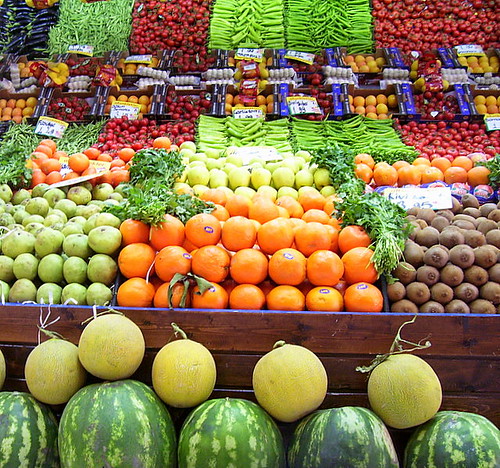
One important requirement of obese or fat children to
prevent cardiovascular diseases are fruits and vegetables,
which contain lots of antioxidants from carotenoids.
Inflammation are high in obese children and antioxidants can prevent the build up of free radicals which are associated with inflammation.
The results from the research in the University of Newcastle
led by Dr Tracy Burrows showed that obese children have
lower levels of carotenoids compared to leaner children.
They suggested that carotenoids, which are high in
antioxidants, are consumed much faster in obese kids than in normal kids. Lower levels of antioxidants can mean greater risk of diseases such as those related to the heart.
The research team suggested that obese kids should consume larger amounts of fruits and vegetables to elevate the carotenoid levels in their bodies.
Read the rest of the story here.
Antioxidants from carotenoids are fat soluble therefore they can penetrate into fat areas, where water soluble antioxidants could not, to neutralize free radicals to prevent oxidative damage to our cells.
There are also non fat soluble antioxidants like the ones found in green tea which can help control obesity. Combined with other components in green tea, these antioxidants can help burn energy and not store it as fat (thermogenesis).
Other Articles of Interest
Goji Berry Juice is high in antioxidants and could greatly help our body's need for antioxidants.
Herbal Green Tea Extract - green tea can be more potent when combined with other medicinal herbs.
Wednesday, October 1, 2008
Friday, July 4, 2008
Are Our Drinks Making Us Fat?
Recently obesity has become American's number one health concern. The level of obesity in this country has risen to shocking proportions.
58 Million Americans are overweight
40 Million Americans are obese
3 Million Americans are morbidly obese
Eight out of 10 people over the age of 25 are overweight
In 2001 25% of Caucasian children were overweight
33% of African American and Hispanic children were overweight as of 2001
Doctors and researchers have been looking for clues to why the obesity rate has risen so dramatically. Obviously, our lifestyle habits have changed, and our new habits are making us fat. The habits that seem to be significantly contributing to the rising obesity rate are:
Activity Level
More of us than ever are sedentary. Even today's children seem to spend most of their leisure time participating in activities that involve sitting on the couch. The number of children who have never participated in any sports activity has risen each year for the past ten. Regular exercise is one of the important keys to losing weight and keeping it off.
Aim for 30 minutes of exercise a day at least 3 times a week. In addition, if you can supplement with weight training, you'll build muscle, which in the long run, will help keep you slim. Muscle, even when resting, burns more calories than fat, so the more muscle you have the more calories you burn all the time.
You don't need to join a gym or have expensive equipment in your home to be able to get regular exercise. Walking, for example, requires no special equipment, other than a good pair of shoes, and is an excellent way to get your exercise. Walking works your heart, strengthens your core and build muscle in your lower body.
Where your children are concerned, you needn't plan significant exercise outings. Running and playing in the yard are a great way for your children to burn off that excess childhood energy and keep fit at the same time. Just get them off the couch!
Diet
We are a fast food, on the run, never eat at the table society. And, it's catching up with us. When we eat takeout and fast food we're eating far more calories than if we ate a home cooked meal at the table. So, try to consider the following things for your family's diet.
Stop the fast food and processed foods
Try to eat meals cooked at home as much as possible
Watch the white flour and the processed sugars
Include more lean protein and less simple carbohydrates
Try to include lots of fruits and vegetables in your diet. Fruits and vegetables are low calorie and extremely filling. Plus, they ensure that you're getting your daily dose of anti-oxidants, which are critical to a long and healthy life. Try adding green tea as a favored beverage. It's low calorie, and will also help ensure you get the anti-oxidants you need.
Stop the Soda!
One of the big differences in diet between this generation and the one before it is the amount of soda and other sweetened drinks we consume. High calories soda can add hundreds of calories a day to our diet.
One study, reported by the UK Tea Council highlights the significant calorie increase our society has seen in terms of sodas and other high calorie beverages. This study concludes that 50% of our excess calories today come from sodas and other sweetened beverages.* One of the ways that we can make a huge impact in the number of calories we consume each day is to ensure that we cut out the high calorie drinks, particularly the ones that provide no nutritional value.
Keep in mind that when we consume milk and fruit juice, we are taking in calories. However, we are getting vitamins and other nutrients from the calories in these drinks. With sodas and other high calorie sweetened drinks, we load up on the calories, but gain no nutritional value. The study mentioned above concluded that we could significantly cut the excess calories that are leading to our overweight society by simply replacing high calorie, low nutrition drinks with low calorie ones.
To be sure, the battle of the bulge is no easy one. It takes time, education and motivation to keep the calories under control. However, it's critical to our health that we get our weight under control. Obesity leads to a number of illnesses, all of which are entirely preventable by maintaining a healthy diet and activity level, and a healthy weight. Some of the most significant weight related health disorders include:
Type II Diabetes
Heart Disease
High Blood Pressure
Sleep Apnea
Higher risk for many forms of cancer
High Cholesterol
Congestive Heart Failure
Arthritis
Stroke
Gout
Pregnancy Complications
Our country must get the wake up call and learn to control our weight. Our health, and the health of our children is dependent upon our ability to get our eating habits and our activity level to a healthy balance.
-------------------------
About the Author:
-------------------------
Jon M. Stout is the Chairman of the Golden Moon Tea Company. Golden Moon Tea carefully selects the finest rare and orthodox teas, which are processed slowly and handcrafted with extreme care. At their website, you can learn more about their current tea offerings, including their exceptional green tea, white tea, black tea, oolong tea (also known as wu-long and wu long tea) and chai. Visit http://www.goldenmoontea.com for all details concerning the Golden Moon Tea Company's fine line of teas.
Article source: Article Realm
Other Articles of Interest
Antioxidants in Green Tea and Black Tea
The Health Benefits of Flaxseed
A Look at Xanthones and Mangosteen
Antioxidants and Anti-Aging Wrinkle Cream
Subscribe to:
Posts (Atom)